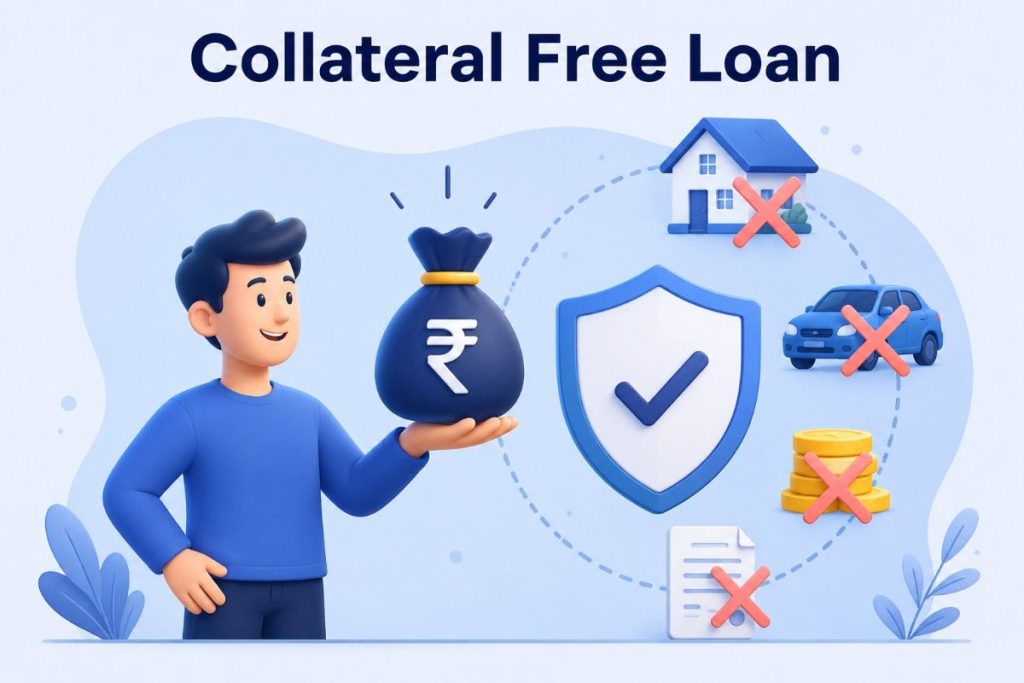
A collateral free loan is an unsecured loan where borrowers do not need to pledge any asset such as property, gold, or fixed deposits as security.
Lenders approve these loans based on the borrower’s credit score, income stability, and repayment capacity instead of physical collateral.
In India, collateral free loans are available as personal loans, business loans under CGTMSE, government-backed Mudra loans, and education loans.
They offer faster approval and minimal documentation, but typically carry higher interest rates than secured loans.
How Does a Collateral-Free Loan Work?
Unlike secured loans where the lender holds a claim over your asset, a collateral free loan relies entirely on trust backed by data. Here is how the process works in practice:
- Credit assessment: The lender evaluates your CIBIL score, income proof, employment stability, and existing debt obligations.
- Risk-based pricing: Since there is no asset to recover in case of default, lenders charge a higher interest rate to compensate for the added risk. Unsecured loan interest rates in India typically range from 14% to 26% per annum, depending on borrower profile.
- Approval and disbursal: Once verified, the loan amount is disbursed directly to your bank account. Many lenders now complete this process within 24 to 48 hours.
- Repayment through EMIs: Borrowers repay the loan in fixed monthly instalments over an agreed tenure, usually ranging from 12 to 60 months.
The absence of collateral means the lender cannot seize your property if you default. However, non-repayment will severely damage your credit score and may lead to legal recovery proceedings.
For business loans, the CGTMSE scheme adds a layer of protection. Under this scheme, the government-backed trust provides 75% to 85% guarantee coverage to the lending bank, which is what makes collateral free lending possible for small businesses.
Types of Collateral-Free Loans in India
Not all unsecured loans serve the same purpose. Each type is designed for a specific need, and understanding the differences helps you pick the right one.
| Type | Typical Loan Amount | Common Use |
|---|---|---|
| Personal Loan | ₹50,000 to ₹40 lakh | Medical emergencies, weddings, travel |
| Business Loan (MSME/CGTMSE) | Up to ₹5 crore (with guarantee) | Working capital, equipment, expansion |
| Mudra Loan (PMMY) | Up to ₹20 lakh | Micro and small enterprise funding |
| Education Loan | Up to ₹7.5 lakh (without collateral) | Tuition fees, study abroad expenses |
| Agricultural Loan | Up to ₹2 lakh | Crop inputs, farm equipment |
Who Can Apply for a Collateral-Free Loan?
Collateral free loans are available to a wide range of borrowers. The exact eligibility depends on the loan type and the lender, but the following categories of applicants are generally eligible:
- Salaried individuals working with a recognized employer

- Self-employed professionals such as doctors, chartered accountants, and architects
- Micro, small, and medium enterprise (MSME) owners with Udyam registration
- First-time entrepreneurs applying through Mudra or Stand-Up India
- Women and SC/ST entrepreneurs under Stand-Up India
- Students seeking education loans at recognized institutions
- Farmers for agricultural credit needs

The key takeaway is that you do not need to own property or gold to qualify. Your income, creditworthiness, and business viability matter more than your asset base.
Eligibility Criteria For a Collateral-Free Loan
While eligibility varies by lender and loan type, most banks and NBFCs follow these general benchmarks:
| Parameter | Typical Requirement |
|---|---|
| Age | 21 to 60 years (salaried); 25 to 65 years (self-employed) |
| Minimum Income | ₹15,000 to ₹25,000 per month (varies by lender) |
| CIBIL Score | 750+ preferred; 650+ for NBFCs and digital lenders |
| Employment | Minimum 1 to 2 years of work experience |
| Business Vintage | Minimum 2 to 3 years for business loans |
| Nationality | Indian resident or NRI (select lenders) |
Why credit score matters: A score of 750 or above significantly improves your approval chances and gets you lower interest rates. Government banks often require 720 and above, while digital lenders may accept scores from 600 to 650 with additional checks.
For MSME loans specifically, applicants need a valid Udyam Registration, minimum turnover requirements (for example, ₹40 lakh at Kotak Mahindra Bank), and at least one year of profitability.
Government Schemes For Collateral-Free Loans
The Indian government runs several schemes specifically designed to provide collateral free credit to underserved sections. These are not regular bank loans with relaxed rules. They are structured programmes with guarantee mechanisms that encourage banks to lend without collateral.
1. CGTMSE (Credit Guarantee Fund Trust for Micro and Small Enterprises)
Launched jointly by the Ministry of MSME and SIDBI, CGTMSE provides guarantee coverage so banks can lend without demanding collateral.
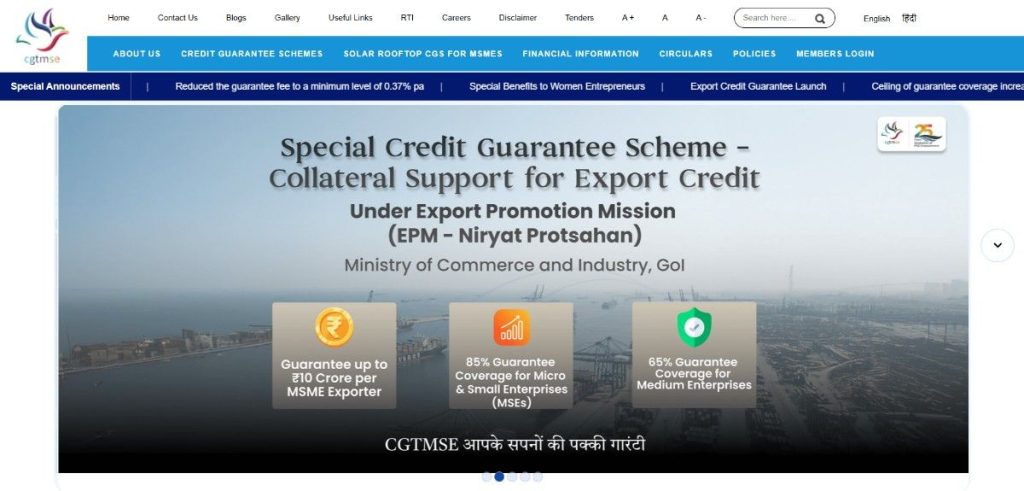
- Maximum guarantee coverage: up to ₹5 crore for term loans and working capital
- Coverage percentage: 85% for micro enterprises (loans up to ₹5 lakh), 75% to 80% for others
- Annual guarantee fee: starts from 0.37% per annum
- The borrower does not apply to CGTMSE directly. The lending bank applies on the borrower’s behalf after sanctioning the loan.
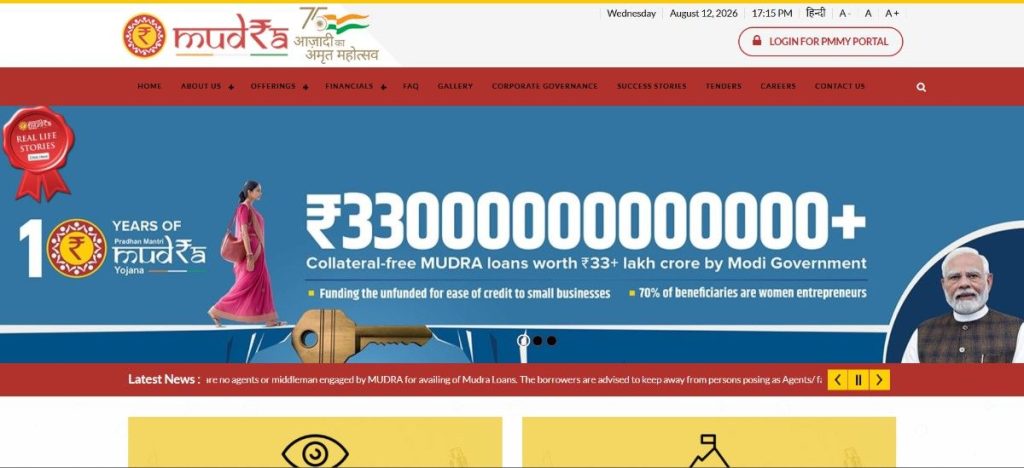
2. Pradhan Mantri Mudra Yojana (PMMY)
PMMY offers collateral free business loans in four categories:
| Category | Loan Limit | Target Borrower |
|---|---|---|
| Shishu | Up to ₹50,000 | New and early-stage businesses |
| Kishor | ₹50,001 to ₹5 lakh | Growing businesses |
| Tarun | ₹5,00,001 to ₹10 lakh | Established micro enterprises |
| Tarun Plus | ₹10 lakh to ₹20 lakh | Successful Tarun repayers |
Interest rates are not fixed by the government. They depend on the lending institution’s MCLR or EBLR and the borrower’s credit profile.
3. Stand-Up India
The Stand-Up India scheme provides composite bank loans between ₹10 lakh and ₹1 crore to SC/ST and women entrepreneurs for setting up greenfield enterprises.
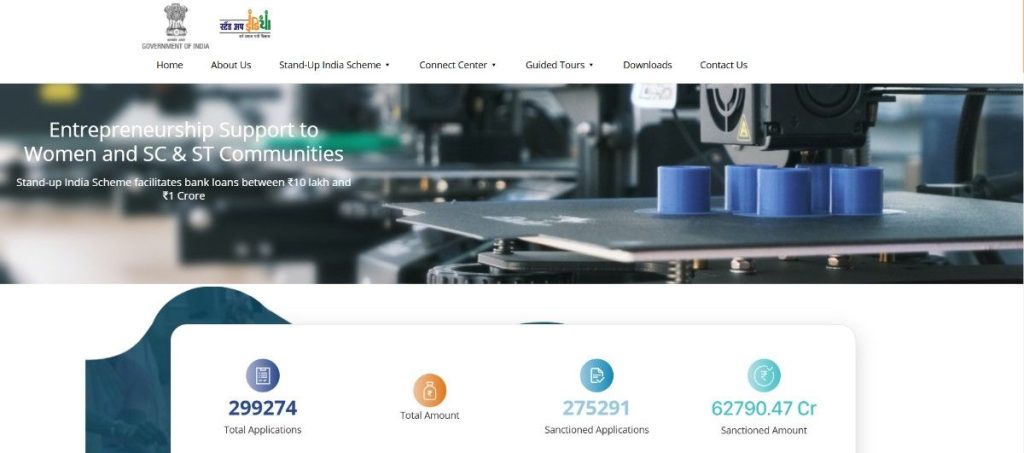
Every bank branch is mandated to assist at least one SC/ST borrower and one woman borrower. Loans are 100% collateral free and covered under NCGTC credit guarantee.
4. RBI’s MSME Lending Directions (April 2026)
The RBI, through its amended MSME lending directions effective April 1, 2026, has mandated that banks must not accept collateral for loans up to ₹20 lakh extended to micro and small enterprises. Banks may further increase this limit to ₹25 lakh based on the borrower’s track record, subject to their internal policy.
How to Apply For a Collateral-Free Loan
The application process varies slightly depending on whether you are applying for a personal loan, business loan, or government scheme loan. Here is the general workflow:
Step 1: Check your eligibility
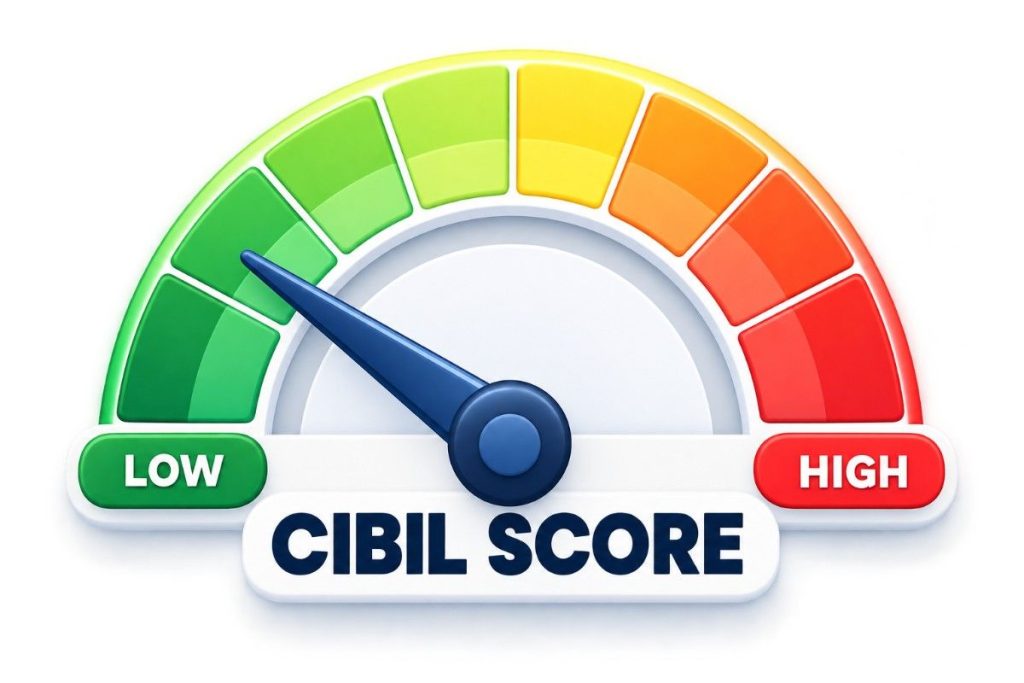
Verify your CIBIL score, income documents, and employment or business details before approaching any lender.
Step 2: Compare lenders
Interest rates, processing fees, and repayment terms vary significantly between banks, NBFCs, and digital lenders. Compare at least three to four options.
Step 3: Gather documents
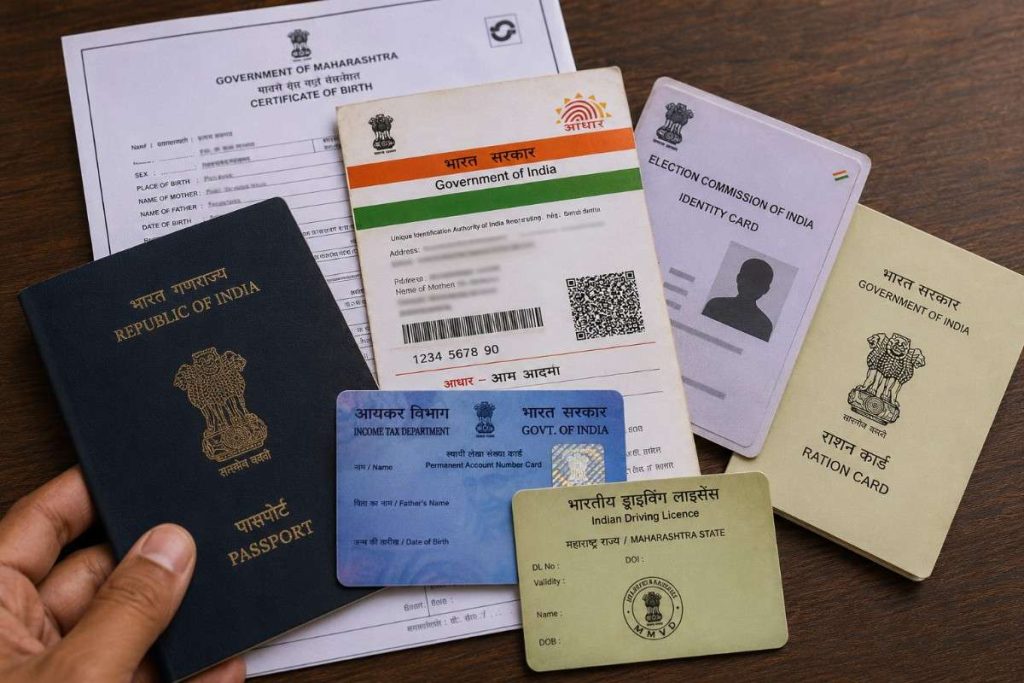
Most lenders require:
- PAN card and Aadhaar card
- Income proof (salary slips or ITR for 2 to 3 years)
- Bank statements (last 6 to 12 months)
- Business proof and Udyam Registration (for MSME loans)
- Address proof
Step 4: Submit the application
You can apply online through the lender’s website or the JanSamarth Portal for government scheme loans. For Mudra and CGTMSE loans, you can also apply through Udyamimitra.
Step 5: Verification and disbursal
The lender verifies your documents, runs a credit check, and disburses the loan upon approval.
Practical tip: For government-backed CGTMSE loans, explicitly tell the bank you want coverage under the CGTMSE guarantee scheme. Many small business owners are unaware they can demand this, and some bank branches may not proactively offer it.
How Much Does a Collateral-Free Loan Cost?
The total cost of a collateral free loan goes beyond just the interest rate. Processing fees, prepayment charges, and late payment penalties add up quickly.
Here is what to expect:
| Cost Component | Typical Range |
|---|---|
| Interest Rate | 10.40% to 26% p.a. |
| Processing Fee | 0.5% to 3% of loan amount + GST |
| Prepayment/Foreclosure Charges | 0% to 4% of principal outstanding |
| Late Payment Penalty | 1.5% to 2% per month on overdue amount |
| Bounce Charges | ₹500 to ₹1,000 per instance |
Important RBI rule: As per updated RBI guidelines, no prepayment or foreclosure charges can be levied on floating rate personal loans for individuals and small businesses. This means if your loan carries a floating rate, you can repay early without paying a penalty.
Example: If you borrow ₹5 lakh at 14% for 3 years, your total interest payment would be approximately ₹1.17 lakh. Add a 2% processing fee (₹10,000 + GST), and your effective borrowing cost rises further. Always calculate the total cost before signing.
Collateral-Free Loan vs Personal Loan: Are They the Same?
This is a common source of confusion. A personal loan is a type of collateral free loan, but not all collateral free loans are personal loans.
| Feature | Collateral-Free Loan (Broader Category) | Personal Loan (Specific Type) |
|---|---|---|
| Definition | Any loan without asset pledge | Unsecured loan for personal use |
| Types Included | Personal, business, education, Mudra, agricultural | Only personal loans |
| End-Use Restriction | Depends on loan type | Generally no restriction |
| Loan Amount | ₹50,000 to ₹5 crore+ | ₹50,000 to ₹40 lakh (typically) |
| Government Schemes | CGTMSE, Mudra, Stand-Up India | Not applicable |
| Interest Rate | 10% to 26% | 10.40% to 24% |
Think of “collateral free loan” as the umbrella term. Personal loans, unsecured business loans, Mudra loans, and collateral free education loans all fall under it.
The distinction matters because a small business owner searching for funding should explore CGTMSE or Mudra options first. These often offer lower rates and government guarantee coverage that personal loans do not provide.
Is a Collateral-Free Loan Safe?
Yes, collateral free loans from RBI-regulated banks and NBFCs are safe. However, borrowers must exercise caution in two areas.
Regulatory safeguards that protect you:
- All banks and NBFCs offering collateral free loans are regulated by the Reserve Bank of India. RBI guidelines mandate transparent interest rate disclosure, fair recovery practices, and clear loan documentation.
- In November 2023, the RBI increased risk weights on unsecured consumer credit from 100% to 125% for banks and NBFCs. This step forces lenders to hold more capital against unsecured loans, which reduces reckless lending and protects the financial system.
- RBI’s updated digital lending guidelines (effective October 2025) require full fee disclosure, cooling-off periods, and grievance redressal mechanisms.
Risks you should watch for:
- Unregistered lenders and loan apps: Avoid any lending app that is not backed by an RBI-registered NBFC. Fraudulent apps have been known to charge exorbitant interest, access personal data, and use abusive recovery tactics.
- Over-borrowing: Since no asset is at stake, some borrowers take on more debt than they can repay. This leads to a debt spiral, damaged credit score, and legal action.
- Hidden charges: Always read the loan agreement carefully. Check for processing fees, insurance charges, and prepayment penalties before signing.
Bottom line: The loan itself is safe if taken from a regulated lender. The risk lies in borrowing more than you can afford or dealing with unauthorized entities.
What Are the Benefits of a Collateral-Free Loan?
Collateral free loans offer several advantages that make them a practical choice for many borrowers:
- No asset risk: Your property, gold, or investments remain untouched. If financial difficulties arise, you do not lose your home or savings.
- Faster processing: Without property valuation or legal verification of collateral, approval is quicker. Many lenders disburse within 24 to 48 hours.
- Minimal documentation: Compared to secured loans, the paperwork is significantly lighter. Most applications require only identity proof, income proof, and bank statements.
- Accessible to first-time borrowers: Young professionals, first-generation entrepreneurs, and small vendors without assets can access formal credit through schemes like Mudra and CGTMSE.
- Flexible end-use: Personal loans, the most common form, typically carry no restrictions on how the funds are used.
- Government support: Schemes like CGTMSE, Mudra, and Stand-Up India have made collateral free credit available to millions of MSMEs and underserved entrepreneurs who were previously excluded from formal banking.
What Are the Disadvantages of a Collateral-Free Loan?
Despite the convenience, collateral free loans have notable drawbacks that borrowers should factor into their decision:
- Higher interest rates: Since the lender takes on more risk, unsecured loans carry higher rates than secured loans. A home loan may cost 8.5% to 9.5%, while an unsecured personal loan could cost 14% to 24%.
- Lower loan amounts: Without collateral backing, the loan quantum is typically smaller. Most personal loans cap at ₹25 to ₹40 lakh, whereas a loan against property can go up to several crores.
- Shorter repayment tenure: Unsecured loans generally offer a maximum tenure of 5 years, compared to 15 to 30 years for secured loans like home loans.
- Stricter credit score requirements: Lenders compensate for the absence of collateral by demanding higher credit scores. A score below 650 makes approval difficult at most lenders.
- Impact on future borrowing: Multiple active unsecured loans can reduce your eligibility for larger secured loans like a home loan, since lenders factor in existing EMI obligations.
- Aggressive recovery in case of default: While lenders cannot seize your assets, they can initiate legal proceedings, report the default to credit bureaus, and engage recovery agents.
Conclusion: Collateral Free Loans Let You Borrow Money Without Offering Any Asset as Security
Collateral free loans have become a vital part of India’s lending ecosystem, helping salaried individuals, small business owners, farmers, and students access formal credit without the barrier of owning pledgeable assets.
With the RBI raising the collateral free loan limit for MSEs to ₹20 lakh in 2026 and government schemes like CGTMSE and Mudra expanding coverage, these loans are now more accessible than ever.
However, higher interest rates and stricter credit requirements mean borrowers must compare lenders carefully and borrow within their repayment capacity.
FAQs
Yes, but approval may be difficult. Some NBFCs and digital lenders accept scores of 600–650, usually at higher interest rates.
Floating-rate loans generally have no prepayment charges for individuals and small businesses, as per RBI rules. Fixed-rate loans may have charges, depending on the lender.
Your credit score can fall, and the lender may take legal recovery action. Although no collateral can be seized, default can make future borrowing difficult.
Usually, yes. However, Mudra or CGTMSE-backed business loans may be more suitable and cost-effective for business funding.
Banks must generally provide collateral-free loans up to ₹20 lakh to eligible micro and small enterprises. Under CGTMSE, eligible MSMEs can access collateral-free credit of up to ₹5 crore.