No, insurance is not legally compulsory for a home loan in India. Neither the RBI nor IRDAI requires borrowers to buy home loan insurance or property insurance for loan approval.
Lenders can recommend it as a risk cover, but they cannot force you into a specific policy or bundle it compulsorily with your loan.
Is Insurance Compulsory For a Home Loan in India?
This question comes up the moment you sign your loan papers, because most banks slip an insurance form into the disbursal stack.
The short answer is no. RBI’s Master Directions on Responsible Business Conduct specifically prohibit banks from compulsorily bundling insurance products with home loans. If a third-party product is required as a risk mitigant, you must be given the option to buy it from any provider you choose, not just the bank’s partner insurer.
This matters because it puts the choice back in your hands. You can accept the bank’s offer, buy a separate policy elsewhere, or skip insurance altogether, as long as you understand the risk you are taking on.
Is Home Loan Insurance Mandatory?
Home loan insurance, sometimes called a Home Loan Protection Plan, pays off your outstanding loan balance if you die or become critically ill or disabled during the loan tenure.
- Not mandatory: Home loan insurance is not compulsory under any RBI or IRDAI rule.
- No condition for loan approval: Banks and housing finance companies cannot make insurance a mandatory condition for sanctioning a home loan.
- No forced policy: Lenders cannot force you to purchase a specific insurance policy.
- Often presented as a default: Some bank officials may present home loan insurance as a standard or default step during the loan process.
- Know your rights: Understanding that insurance is optional helps you make an informed decision.
- Evaluate before buying: Consider the policy’s coverage, cost, benefits, and terms rather than purchasing it because you assume it is mandatory.
Is Property Insurance Mandatory for a Home Loan?
Property insurance, also called home or fire insurance, protects the physical structure against fire, flood, earthquake, or similar damage.
- Not an RBI requirement: RBI does not mandate property insurance as a condition for home loan approval.
- Lender’s interest: Since the property serves as collateral for the loan, many lenders may require insurance to protect themselves against damage or loss.
- Internal policy vs. legal requirement: A lender’s internal insurance requirement is different from a statutory mandate.
- Freedom to choose: Even if the lender requires property insurance, you can generally ask to purchase coverage from an insurer of your choice.
- Why it matters: Knowing this distinction gives you more room to negotiate and avoid being pressured into a specific insurance provider.
- Check the policy: Before buying, compare the coverage, premium, exclusions, and claim terms.
Types of Insurance Related to a Home Loan
Borrowers often hear three different insurance terms during the loan process, and confusing them leads to buying the wrong cover or paying for overlapping protection.
Home Loan Insurance
This is a reducing cover tied to your outstanding loan amount. The payout goes directly to the lender to close the loan if you pass away, so your family is not left repaying the debt.

Life Insurance
A standalone term life policy pays a fixed sum assured to your nominee, regardless of any outstanding loan. Your family can choose to use it for the EMI, other expenses, or both.

Home or Property Insurance
This covers physical damage to the structure and, in some plans, its contents. It protects the asset itself, not your ability to repay the loan.
Home Loan vs Home Loan Insurance: What’s the Difference
A home loan is the credit facility that funds your property purchase. Home loan insurance is an optional add-on that protects the repayment of that credit if something happens to you.

Since a home loan is a secured loan backed by the property itself, understanding how the underlying credit works helps you see why lenders bring up insurance at all.
| Aspect | Home Loan | Home Loan Insurance |
|---|---|---|
| Purpose | Funds the purchase of the property | Covers the outstanding loan if the borrower dies or is disabled |
| Mandatory status | Required to buy the property | Optional, not mandated by RBI or IRDAI |
| Beneficiary of payout | Not applicable | Lender receives the payout to close the loan |
| Cost structure | Interest charged on principal | One-time or instalment premium |
If you are still comparing loan structures, it helps to first understand what makes a loan secured against what makes an unsecured loan different, since only secured borrowing ties an asset to repayment risk this way.
Why Do Lenders Ask for Insurance With a Home Loan?
Lenders raise the insurance question for reasons that mix genuine risk management with their own commercial interest.
- Loan recovery: If the borrower dies mid-tenure, insurance ensures the bank recovers its money without chasing the family or the property.

- Reduced default risk: A death or disability without cover can turn a performing loan into a bad debt, which shows up on the lender’s books.
- Cross-selling revenue: Banks earn commission as corporate agents for the insurers they partner with, which is why staff often push it proactively.
- Collateral protection: For property insurance specifically, lenders want the physical asset backing the loan to stay insured against damage.

Understanding these motives helps you separate a genuinely useful recommendation from a sales pitch dressed up as a requirement.
Can a Bank Force You to Buy Insurance With a Home Loan?
No, a bank cannot legally force you to buy insurance, and it certainly cannot force you to buy it from its own partner insurer.
Under RBI’s directions on responsible business conduct, banks are barred from compulsory bundling of insurance, investment products, or deposits with home loans. If insurance is genuinely required as a risk mitigant, you must still be allowed to buy it from any third-party provider of your choice.
In practice, some bank staff still imply that the loan will be delayed or rejected without the insurance form signed. This is not accurate, and you have the right to push back or escalate through the bank’s grievance mechanism.
What Happens If You Do Not Take Home Loan Insurance?
Skipping home loan insurance does not affect your loan approval or your EMI schedule in any way.
- The key issue is family risk: The decision affects the financial burden your family may face during the loan tenure.
- If the borrower dies: The family, co-applicant, or the sale of the property must repay the outstanding home loan, depending on the circumstances.
- If the borrower becomes permanently disabled: Loan repayments may remain a financial responsibility unless the chosen insurance cover specifically provides for this situation.
- Example: A 35-year-old borrower with a 20-year home loan and no suitable cover could leave dependents exposed to almost two decades of repayment obligations if something goes wrong early in the tenure.
- The real trade-off: The decision should focus on financial protection and family security, not simply on whether insurance is a mandatory requirement.
- Before deciding: Compare the loan amount, remaining tenure, dependents, income sources, and insurance coverage to assess whether protection is worthwhile.
Home Loan Insurance vs Term Insurance: Key Difference
Both products pay out on death, but they are structured very differently and suit different needs.
| Feature | Home Loan Insurance | Term Insurance |
|---|---|---|
| Cover amount | Reduces as the loan balance reduces | Stays fixed for the full policy term |
| Payout recipient | Paid directly to the lender | Paid to your chosen nominee |
| Portability | Usually tied to that specific loan | Independent of any loan, fully portable |
| Flexibility | Limited, cover ends when loan closes | Nominee can use the payout for any purpose |
Do You Need Home Loan Insurance If You Already Have Term Insurance?
If your existing term cover is large enough to absorb the outstanding home loan along with your family’s other needs, a separate home loan insurance policy may be redundant.
- Calculate your total financial exposure: Add your outstanding home loan + family’s ongoing living expenses + other debts.

- Compare with existing term cover: Check whether your current term insurance coverage is enough to meet this total.
- If there is a shortfall: You can increase your existing term cover or consider a dedicated home loan insurance policy.
- Check before signing: Do this calculation before finalising the home loan and insurance.
- Avoid duplicate coverage: If your existing term insurance already provides sufficient protection, buying another policy may increase your costs without adding meaningful protection.
- Focus on the gap: Choose additional cover based on the actual financial shortfall, rather than buying insurance simply because it is offered with the loan.
What Should You Check Before Buying Home Loan Insurance?
Doing a little due diligence before signing can help you avoid costly surprises later, especially because lenders and insurers often sell these policies quickly during loan processing.
- Premium structure: Confirm whether the premium is a one-time payment added to the loan amount, or a recurring charge, since a lump sum increases the loan principal and the interest you pay.
- Claim exclusions: Read what illnesses or circumstances are excluded, particularly for critical illness riders.
- Reducing vs fixed cover: Check whether the sum assured reduces with the loan balance or stays fixed through the tenure.
- Portability: Ask if the policy can move with you if you do a balance transfer to another lender.
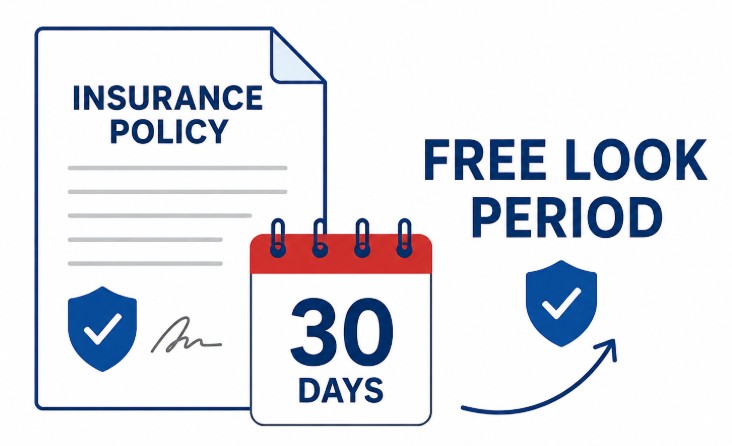
- Free look period: Under IRDAI’s Protection of Policyholders’ Interests Regulations, 2024, you can review the policy document within 30 days of receiving it and cancel the policy for a refund if you are not satisfied.
Comparing these points against a standalone term plan, rather than accepting the bank’s default option, usually gets you better value for the same premium outlay.
Home Loan Insurance for Joint Home Loans
When a home loan has co-applicants, such as spouses or a parent and child, insurance decisions get slightly more layered.
- Check who is covered: Some policies cover only the primary borrower, which leaves the co-applicant’s share of the loan financially exposed if they die.

- Consider joint coverage: Joint or multiple-life policies can cover all co-borrowers, depending on the policy structure.
- First-death option: Some policies pay the benefit when the first insured borrower dies, which can help address the outstanding loan.
- Review both borrowers’ liabilities: Before taking a joint home loan, check whether either applicant has other existing loans or debts.
- Calculate total exposure: Include all outstanding liabilities when assessing how much financial burden the family could inherit.
- Choose cover accordingly: Make sure the insurance structure and coverage amount are sufficient to protect the overall repayment obligation.
You can check active loans in your name to get a clear picture of combined liability before deciding how much cover the household actually needs.
Conclusion: Home Loan Insurance is Optional in India, But the Risk it Covers Is Real
No law forces you to buy insurance with a home loan, and no bank can bundle it into your sanction without giving you a choice.
That does not make the underlying risk go away. Whether you choose the bank’s plan, a separate term policy, or a mix of both, the decision should rest on your family’s actual financial exposure, not on pressure at the loan desk.
FAQs
No. Neither the RBI nor IRDAI requires borrowers to purchase an insurance policy to get a home loan approved.
Yes. Life insurance is entirely optional and has no bearing on your home loan eligibility or approval.
No. RBI rules prohibit banks from compulsorily bundling insurance with home loans. If insurance is genuinely required, you must be allowed to purchase it from any provider.
It is not legally compulsory, though some lenders insist on it internally to protect the property that secures the loan.
Without insurance cover, co-borrowers or legal heirs must pay the outstanding EMIs, or the lender may recover the dues by selling the mortgaged property.